
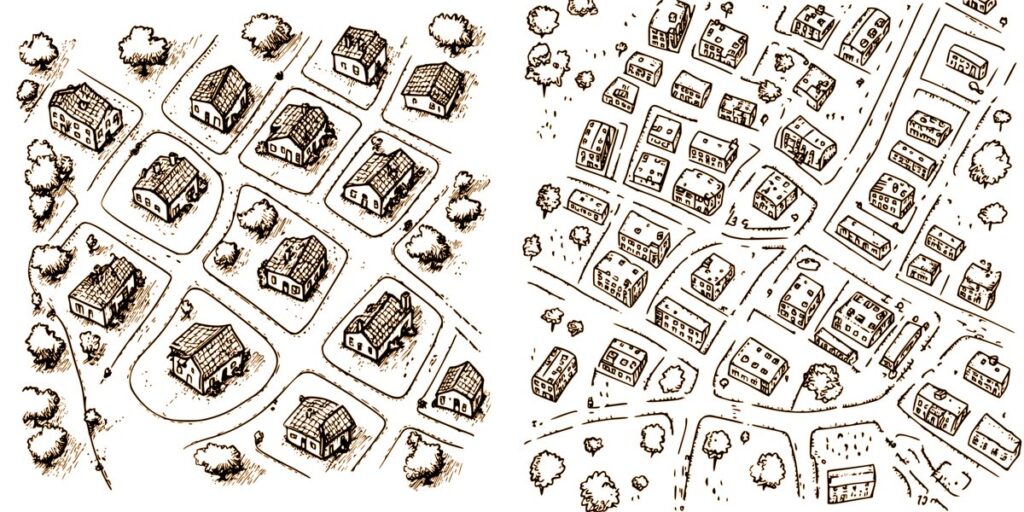
Nestled just southwest of the University of Delaware campus, the College Park neighborhood holds a unique place in Newark’s tapestry—one shaped by its academic roots, welcoming spirit, and steady evolution over the decades. Whether you’re a longtime resident or a newcomer, the streets of College Park tell stories that bridge Newark’s past, present, and future.
The Origins of College Park
The legacy of College Park begins in the mid-20th century, closely tied to Newark’s expansion as a classic American college town. As the University of Delaware’s influence grew following World War II—spurring a rapid influx of students, faculty, and staff—the city saw a pressing need for new homes near campus. College Park emerged as a direct response, its very name a nod to its proximity to the university and its appeal to those wanting to live “just a stone’s throw” from campus life.
This neighborhood’s name, "College Park," was chosen to reflect both locality and purpose: a residential district designed for university professionals, their families, and eventually, a steady trickle of graduate students and staff. The term “park” also hinted at the neighborhood’s layout—tree-lined, suburban-styled streets with plenty of green space for families to enjoy.
Streets Steeped in Story
Travel down Courtney Street, Rita Lane, or Willard Circle, and you’ll find homes with charming facades and yards bursting with azaleas every spring. These streets became the backbone of College Park, with most houses dating back to the 1950s and 1960s. Here, modern postwar architecture coexists with tradition: ranches, split-levels, and colonials, some lovingly renovated through the decades.
Bordered by S. College Avenue to the east and nestled near the bustling Casho Mill Road, College Park is just far enough from Main Street to offer tranquility, but close enough for a quick trip to local favorites like Bing’s Bakery or the Newark Reservoir.
Key Historical Milestones
- 1950s–1960s: The first wave of construction established the core of College Park. Developers aimed to provide affordable, attractive homes to university staff, leading to a community rich with professors, librarians, and administrators.
- 1970s–1980s: As Newark diversified and the university expanded, College Park saw gradual change. New families moved in, and a sense of stability made it one of the most desirable neighborhoods for those seeking a quieter haven near an energetic campus.
- 1990s–2000s: Renovation and reinvestment characterized these decades. Original owners began to sell, opening the doors for new generations. Many homes saw updates, from expanded kitchens to backyard decks, reflecting the changing tastes and demographic shifts.
- 2010s–Present: College Park retains its reputation as a stable, leafy enclave. Young professionals, retirees, and graduate students live side by side, creating an intergenerational feel that’s increasingly rare in college towns today.
Notable Landmarks and Institutions
Though residential at heart, College Park is graced by landmarks and institutions that add texture to daily life:
- Phillips Park: Just a block north, Phillips Park is an oasis for residents. With athletic fields, playgrounds, and picnic shelters, it’s not just a green space—it’s the heart of community gatherings, little league games, and summer barbecues.
- Robert L. Melson House: Unique among local homes, this mid-century residence stands out for its striking angular rooflines and preserved period details, a silent witness to College Park’s early days.
- University of Delaware Athletic Complex: Steps away from College Park along South College Avenue, this sprawling hub is home to Delaware Stadium and Bob Hannah Baseball Stadium. On game days, spirited fans in blue and gold give the neighborhood its distinctive hum.
You’ll also find College Park residents making their way down to White Clay Creek State Park, enjoying nature trails and wildlife. The neighborhood’s proximity to Newark’s “downtown” means quick access to libraries, museums, and the iconic Newark History Society archives.
Community Spirit and Events
College Park has always been more than just a convenient location—it’s a neighborhood known for its strong sense of community. Annual block parties on Courtney Street or Rita Lane bring together families new and old, sharing homemade dishes and stories over picnic tables.
Many residents still remember the tradition of lighting luminaries along the sidewalks during winter holidays, creating a magical glow that drew visitors from across Newark. Halloween is another highlight, when costumed children race between houses in an annual parade of creativity.
How College Park Has Evolved
As Newark continues to change, so too does College Park. The rise of remote work has led to more residents staying home and investing time in gardens and home projects. While there has been some student rental turnover, the majority of homes remain owner-occupied, preserving that quiet, neighborly appeal.
Nowadays, College Park represents the best of Newark’s blending: the energy of a college town, the warmth of a close-knit suburb, and a proud heritage tied directly to the academic heart of Delaware.
- Families and professionals enjoy the walkability and easy bike routes to both the University and Main Street.
- Longtime homeowners act as neighborhood historians, sharing stories (and sometimes old black-and-white photographs) at community events.
- Diverse, yet united, residents work together to maintain green spaces and support neighborhood initiatives, such as park cleanups and a yearly yard sale.
Why College Park Remains Special
Ask any resident what they love most about College Park, and you’ll likely hear something about the blend of peace and proximity. It’s a neighborhood where you might wake to birdsong, yet stroll to a concert at the university amphitheater within minutes. The roots here run deep—visible in careful landscaping, in multi-generational families who call College Park home, and in the sense that, while Newark grows, this corner of town still carefully protects its history and heart.
For those who appreciate walkable streets, a sense of tradition, and a community that prizes green space, College Park remains a true Newark treasure—a reflection of the city’s rich heritage and bright future.